The knowledge base for nurse anesthesia residents’ curriculum is typically sequenced in a progressive pattern, with the basics of anesthesia and an introduction to general anesthesia taught at the program’s start. According to Bloom’s Mastery Learning Theory, specialized population content should be incorporated after achieving mastery of general populations; however, there is limited understanding of how the mastery learning theory is applied to specialized populations in graduate anesthesia education concerning curriculum organization.1,2 Limited knowledge is known about the frequency of resident registered nurse anesthetists (RRNA) clinical exposure to specialty populations, including obstetric, pediatric, and cardiac anesthetics, in comparison to the didactic learning of subpopulations, which may potentially increase clinical stress on both RRNA and clinical preceptors.
The Council on Accreditation of Nurse Anesthesia Educational Programs (COA) and the National Board of Certification and Recertification for Nurse Anesthetists (NBCRNA) provide resources on the minimum requirements and topics for clinical and didactic exposure to specialized populations, although they do not specify the order in which these should be addressed.3,4 The requirement issued in 2022 for nurse anesthesia programs to convert all master’s level education to a doctoral degree has increased the number of required courses and created an institutional burden in arranging them systematically. Establishing a standardized framework for introducing specialty-related didactic instruction proves challenging due to the varying structures of educational institutions, which range from initially distance-based and fully distance-based instruction to historically didactically front-loaded and clinically integrated methods.
Since the organization and implementation of the nursing anesthesia curriculum vary among institutions, there is a potential impact on resident readiness for specialized clinical rotations. This study aims to determine the current curriculum and qualifications for instructors in specialized populations courses, including obstetrics, pediatrics, and cardiac anesthesia. It seeks to identify the timeframe in which nursing anesthesia residents are clinically introduced to these populations. To better understand the prevailing didactic and clinical trends in specialty courses within graduate nurse anesthesia training, a survey was conducted to ascertain whether there is a standardized curriculum for graduate education and to analyze current practices for introducing specialized populations in higher education.
REVIEW OF CURRENT LITERATURE
During the literature examination, common educational themes were identified. A set of core competencies for specialized populations and student learning experiences was discussed by Shah et al,5 Lilaonitkul et al,6 and Yerdon and Taylor.7 These articles address various topics within nursing and clinical education and support adopting a competency-based curriculum instead of a skills-based approach to learning.
Another theme identified was distance-based learning methods for a tailored approach to learning. Virtual education plays many known roles in educational institutions. Fedoruk et al,8 explain the process undertaken during the COVID-19 pandemic regarding the necessary shift in primary methods of instruction. The views of learners and educators towards this content delivery method were also examined.8 Journals expressing support for distance-based education were noted and reviewed, including the work by Andersson et al,9 which evaluated written versus computerized learning courses in the instruction of a specialized population in obstetric anesthesia. Distance and hybrid modalities for content instruction continue to evolve and grow in number and utilization. However, these modalities should be optimized for the learner’s implementation into practice.
Curriculum planning and optimization were also considered essential factors influencing resident learners’ educational and clinical outcomes. Evaluations by Barbosa et al10 and Swerdlow et al11 underscored the significance of establishing a cognitively competent curriculum in postgraduate educational settings, highlighting the importance of a progressive learning model for comprehension and success. The significance of curriculum development and its effects on patient safety, along with learner well-being, was further explored in works by Fitzgerald and Konrad,12 as well as Ji et al13; however, their focus primarily centered on undergraduate nursing. While the subject population was not fully interchangeable with the proposed inquiry regarding nurse anesthesia, the common trends between the different populations were comparable to those of other studies examined. Ultimately, the lack of literature and answers concerning the focused topic prompted the team to design and conduct a survey for nursing educators to assess current practices within educational institutions.
METHODS
Utilizing a mixed-methods approach, the survey was developed using Microsoft Forms. Data collection using a generated questionnaire was designed to determine the generalized location of educational institutions, along with cohort sizes. Additional information was sought in the survey to include the methods of instruction for specialized populations and the qualifications of the individuals who provide instruction. Further information was requested utilizing the Likert scale to obtain the participants’ opinions on their students’ readiness for professional practice in the areas of specialized populations. Short response sections were available for additional comments for the participants. The survey instrument included a combination of multiple-choice, Likert-scale, and open-ended questions to capture both quantitative data and qualitative insights into program-level decision-making. The survey was developed by the study investigators and reviewed by a panel of experienced nurse anesthesia educators to ensure content validity. Pilot testing was conducted with a small group of faculty not participating in the main study to assess clarity and usability, with minor adjustments made prior to distribution. The survey was refined and reviewed for content clarity and for inclusionary and exclusionary criteria to ensure that all specialized populations surveyed were represented.
After reaching a level of confidence with the content and collection methodology, the survey was submitted to the Middle Tennessee School of Anesthesia Ethical Review Committee (ECRC). Outside and independent institutional review board (IRB) approval was requested from Advarra. The study protocol and survey instrument were reviewed and deemed exempt by the IRB, as it involved minimal risk and collected non-identifiable information from participants. The survey was then deployed at the American Association of Nurse Anesthesiology’s (AANA) Assembly of Didactic and Clinical Educators (ADCE) meeting.
Study Design
A cross-sectional survey was conducted during the AANA’s ADCE, the primary national meeting for nurse anesthesia faculty. This particular year marked the highest recorded attendance for the conference, with approximately 600 participants. A convenience sampling method was used to recruit program directors, didactic faculty, and clinical coordinators in attendance, as these individuals are directly involved in the design and sequencing of didactic and clinical components within accredited nurse anesthesia programs.
The survey aimed to assess current practices regarding the timing of advanced didactic instruction related to specialty rotations, specifically in obstetric, pediatric, and cardiac anesthesia. Participants were asked to report when these topics are introduced in their curricula and whether students typically begin related clinical experiences before or after receiving formal didactic instruction. Survey administration continued until thematic saturation, the point at which no new patterns or themes emerged from additional responses, was reached. This approach is consistent with accepted standards in educational and survey research.
Database and Search Strategy
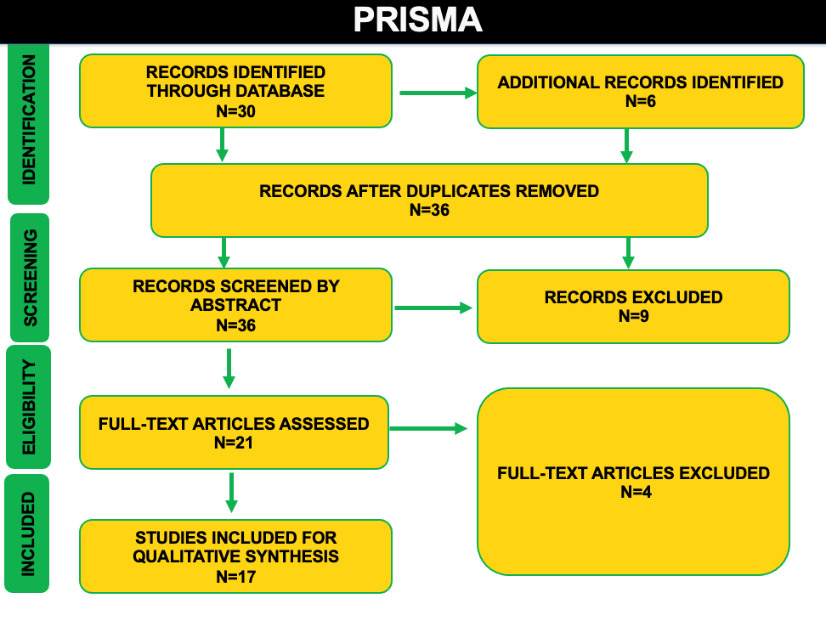
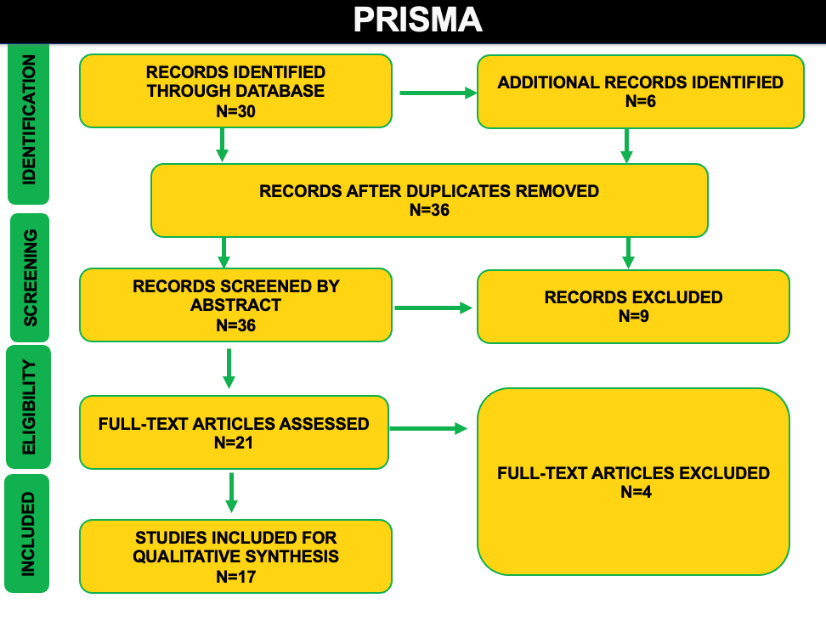
A comprehensive literature review was conducted utilizing PUBMED, CINAHL, and Google Scholar databases. The search terms employed included: “nurse anesthesia,” “curriculum development,” “obstetrics,” “pediatrics,” and “cardiac anesthesia”. Boolean operators were systematically applied to optimize search outcomes. Filters were used to limit results to peer-reviewed academic journals, systematic reviews, and randomized controlled trials published between 2016–2024. Relevant gray literature sources, including professional, educational, and subspecialty organizational reports on obstetric, pediatric, and cardiac anesthesia, were identified and reviewed. Duplicate entries were systematically excluded, and 2 independent reviewers screened the remaining literature for relevance. The search strategy details are summarized in Table 1, and the literature selection process is illustrated in Figure 1.
The research team consists of clinicians and educators specialized in nurse anesthesia with extensive experience in academic and clinical settings. who collectively bring substantial educational leadership, curriculum development experience, and clinical proficiency in anesthetic practice. Researchers continuously reflected upon their assumptions, expectations, and interpretations throughout the study to minimize biases and enhance objectivity in data analysis and interpretation.
Sampling Strategy
The survey was administered during the ADCE meeting in Tucson, Arizona, to reach a broad, geographically represented survey sample of educators. The event for this study was purposively selected, comprising nurse anesthesia faculty program administrators, including directors and assistant directors due to their direct role in curriculum decisions and insights into current instructional practices. Nurse anesthesia faculty and administration are primary stakeholders because their input shapes program structures and educational outcomes. Resident nurse anesthetists were identified as secondary stakeholders, given their direct experience and influence on establishing standards of practice within graduate curricula. The goal of this sampling approach was to accurately reflect current practices and instructional trends in specialized populations, ensuring relevance and representativeness for educational settings.
Ethical Issues Pertaining to Human Subjects
While minimized by the study design, ethical considerations for implementing the proposed project include the confidentiality and privacy of the survey participants and the potential risk of perceived participant coercion. Mitigation of these ethical considerations provides for the assurance of data security and anonymity by removing the identifying characteristics of participants. Individuals were assured that participation was voluntary and that no negative consequences would occur if they chose not to participate. Ethical clearance and IRB exemption was obtained.
Data Collection Methods
Participants were recruited in person at the annual ADCE meeting over a period of 4 days. Informational cards and fliers were distributed after general sessions, and registration details, including a QR code linking directly to the survey, were prominently displayed at a central exhibition booth. Participants choosing to participate accessed the survey through the provided QR code, leading directly to the Microsoft Forms survey platform. Clear instructions regarding survey goals and completion requirements were explained. Upon completion, participants presented their confirmation page to the survey administrator to receive a $5.00 honorarium. The goal was to recruit approximately 100 participants, targeting nurse anesthesia educators and program faculty to validate research findings and ensure broad geographic representation. Data collection was continuously monitored, with careful review after survey completion to minimize surveyor bias.
Data Collection Instruments and Technologies
Data was collected, stored, and analyzed using Microsoft Forms. The data was assessed for noted trends and participants’ perceived views on implementing specific specialized patient populations into didactic instruction. All data and survey responses were stored anonymously off-site, utilizing Microsoft Forms internet-based versions. The stored survey responses were stripped of all identifying characteristics, and the data were accessible only to the survey administrators using password account protection. The complete survey questionnaire used for data collection is included in the Appendix.
Units of Study
The units of study included nurse anesthesia educational programs represented by their administrative leadership, specifically program directors and assistant directors. Respondents were asked to identify characteristics such as geographic location, cohort sizes, instructional methods for specialized populations, and qualifications of instructional faculty. The collected responses represented a variety of programs, capturing different regional practices and instructional approaches across graduate nurse anesthesia education.
Data Processing
Collected survey data were stored securely using Microsoft Forms. All participant responses were anonymized by assigning randomized identifiers, ensuring participant confidentiality and privacy. Data entries were systematically reviewed to remove incomplete or duplicate submissions. After thorough cleaning, data were prepared for analysis by categorizing responses into descriptive groupings, organizing qualitative comments for thematic evaluation, and structuring quantitative responses into clear tables and visual presentations for interpretation.
Data Analysis
Descriptive statistical methods were employed to analyze the quantitative data gathered through Microsoft Forms. Responses to Likert-scale questions and categorical data were summarized using frequencies, percentages, and graphical representations generated in Microsoft Excel. Qualitative short-answer responses were examined using thematic analysis, categorizing recurrent themes and key insights that emerged from participant feedback. Results were synthesized into narrative descriptions supported by visual displays, including graphs and tables, to clearly illustrate trends and distributions within the data.
Several strategies were employed to enhance the trustworthiness and reliability of this study. Participant anonymity was strictly maintained using randomized identifiers, minimizing response bias. Survey questions underwent multiple independent reviews by content experts prior to administration to ensure clarity, relevance, and comprehensiveness. Data collection occurred at a nationally recognized educator conference, providing access to a diverse and representative participant pool, thereby enhancing the transferability of findings. Regular reviews during data collection were performed to detect and mitigate surveyor bias, ensuring consistency in participant interaction and data interpretation.
Evaluation
All collected data were entered into Microsoft Forms using randomized participant identifiers to ensure de-identification and maintain confidentiality. The responses were then grouped and analyzed to identify trends, particularly those related to geographic distribution. To address the study objectives, specific survey questions were analyzed to determine whether RRNAs experienced clinical rotations prior to completing didactic instruction in specialized populations, including obstetrics, pediatrics, and cardiac anesthesia. Additional items examined the timing, format, and delivery methods of didactic content and the qualifications of faculty providing instruction in these areas.
RESULTS/FINDINGS
Synthesis and Interpretation
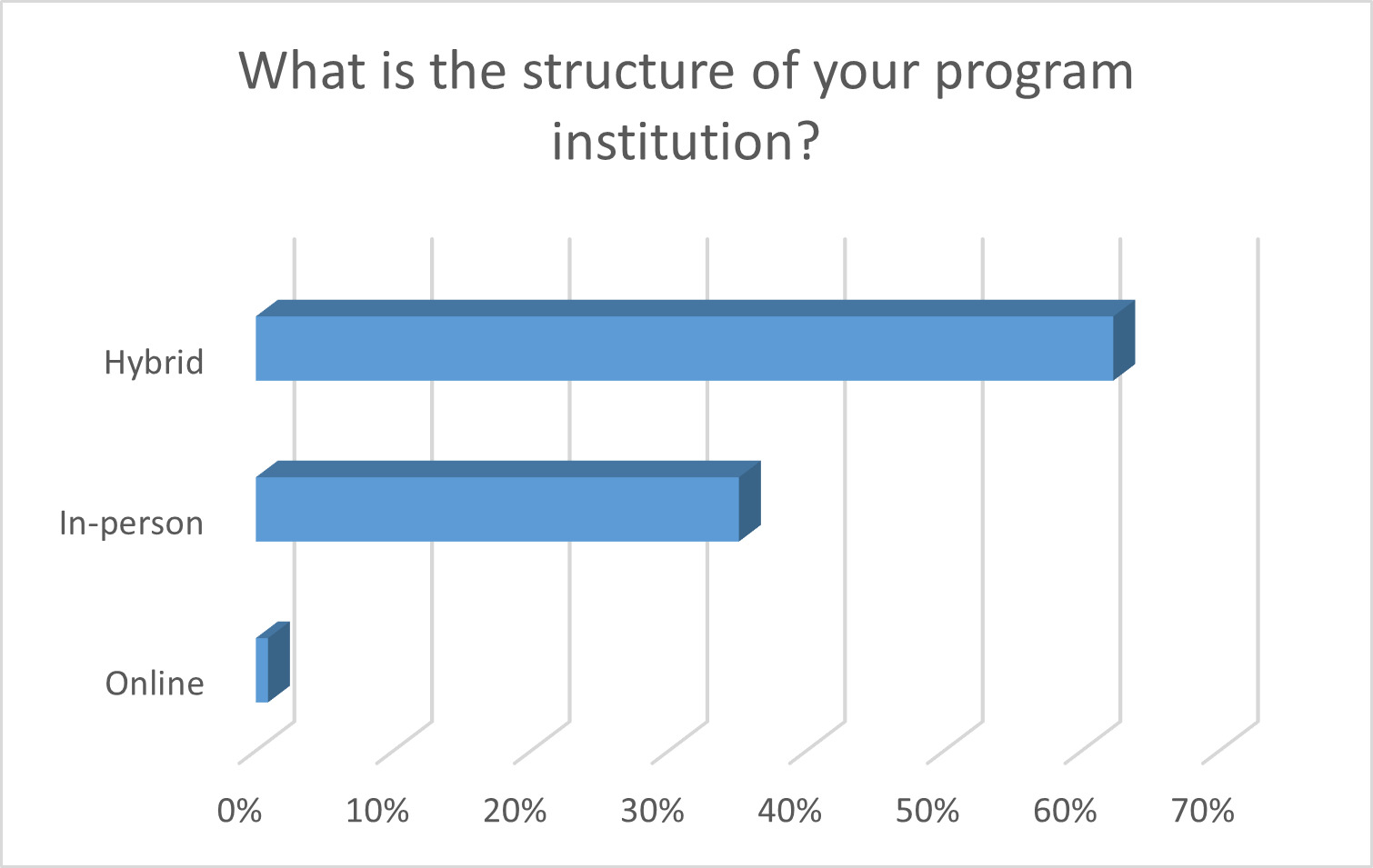
A total of 114 survey responses were collected and analyzed using Microsoft Forms and Microsoft Excel for graphical and tabular presentation. Respondents were primarily from the Southeastern (n = 33) and Midwestern (n = 31) regions, with additional representation from the Northeast (n = 20), Southwest (n = 11), Western (n = 12), and Northwestern (n = 7) United States. Reported cohort sizes varied, with the most common being 21–40 residents (n = 49), followed by 41–60 residents (n = 34), fewer than 20 residents (n = 21), and more than 60 residents (n = 10). Regarding instructional delivery models, 64% of respondents indicated the use of hybrid education, 35% reported in-person learning, and 1 program reported using an online-only format. All hybrid and online programs noted the availability of a physical campus location for students.
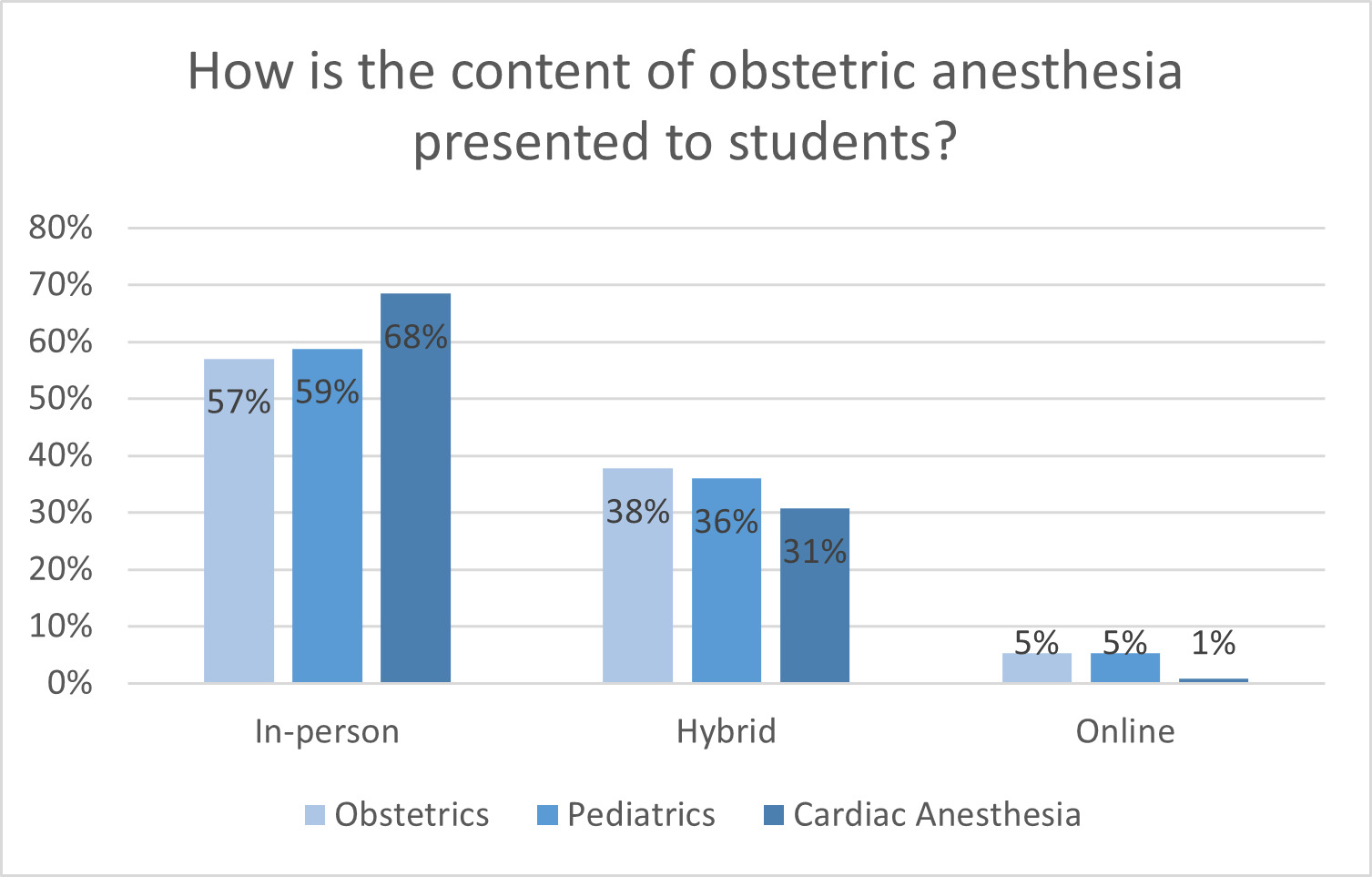
In-person instruction was the primary method reported for delivering content related to specialized populations. Specifically, 57% of programs utilized in-person instruction for obstetric anesthesia, 59% for pediatric anesthesia, and 68% for cardiac anesthesia. Hybrid instruction emerged as a common delivery approach across all specialty areas, accounting for 30–40% of responses. Online-only instruction was reported exclusively for obstetric and pediatric populations, with approximately 5% of respondents indicating this format. One respondent reported the use of an online-only format for cardiac anesthesia instruction.
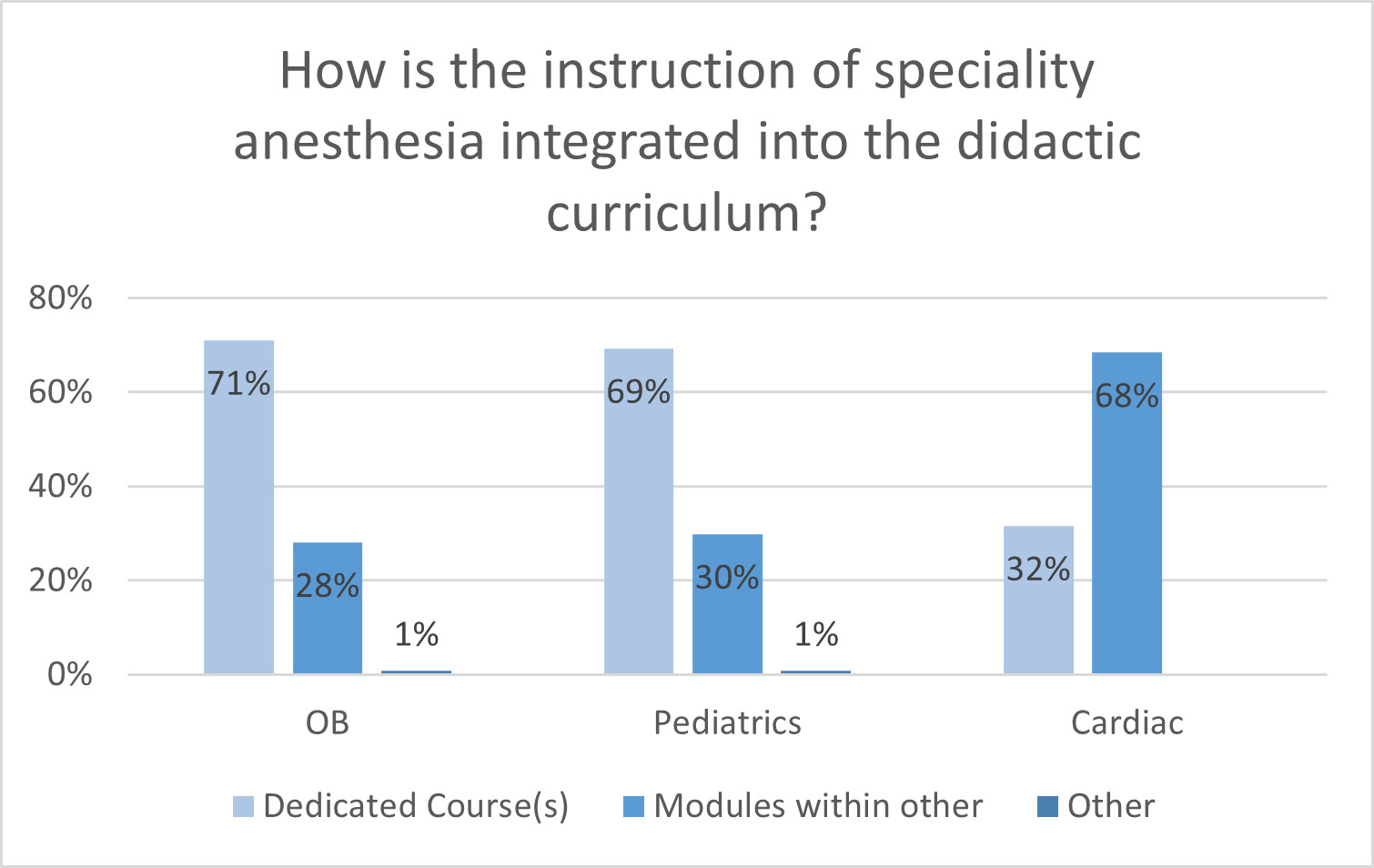
Instructional delivery for specialized populations was most structured as separate courses rather than integrated into general anesthesia curricula. Specifically, 71% of programs offered standalone courses in obstetric anesthesia, and 69% did so for pediatric anesthesia. In contrast, cardiac anesthesia content was primarily embedded within general anesthesia courses, with 68% of institutions reporting this approach. Faculty composition varied in clinical expertise relevant to the specialty areas taught. Approximately 50–60% of instructional faculty had clinical experience in the specialty population, while about 10% of full-time faculty lacked such experience. Additionally, 30% of programs reported utilizing adjunct faculty or guest lecturers with specialized clinical expertise to support course instruction.
Survey responses regarding instructional methods for teaching specialized populations indicated a wide range of modalities. Traditional methods, such as lectures and assigned readings, remained the most employed across all specialty areas. Approximately 50% to 66% of respondents reported incorporating case-based learning and simulation-based experiences into their instructional approaches. Peer learning and online modules were the least frequently utilized methods, with approximately 30% of respondents indicating their use.
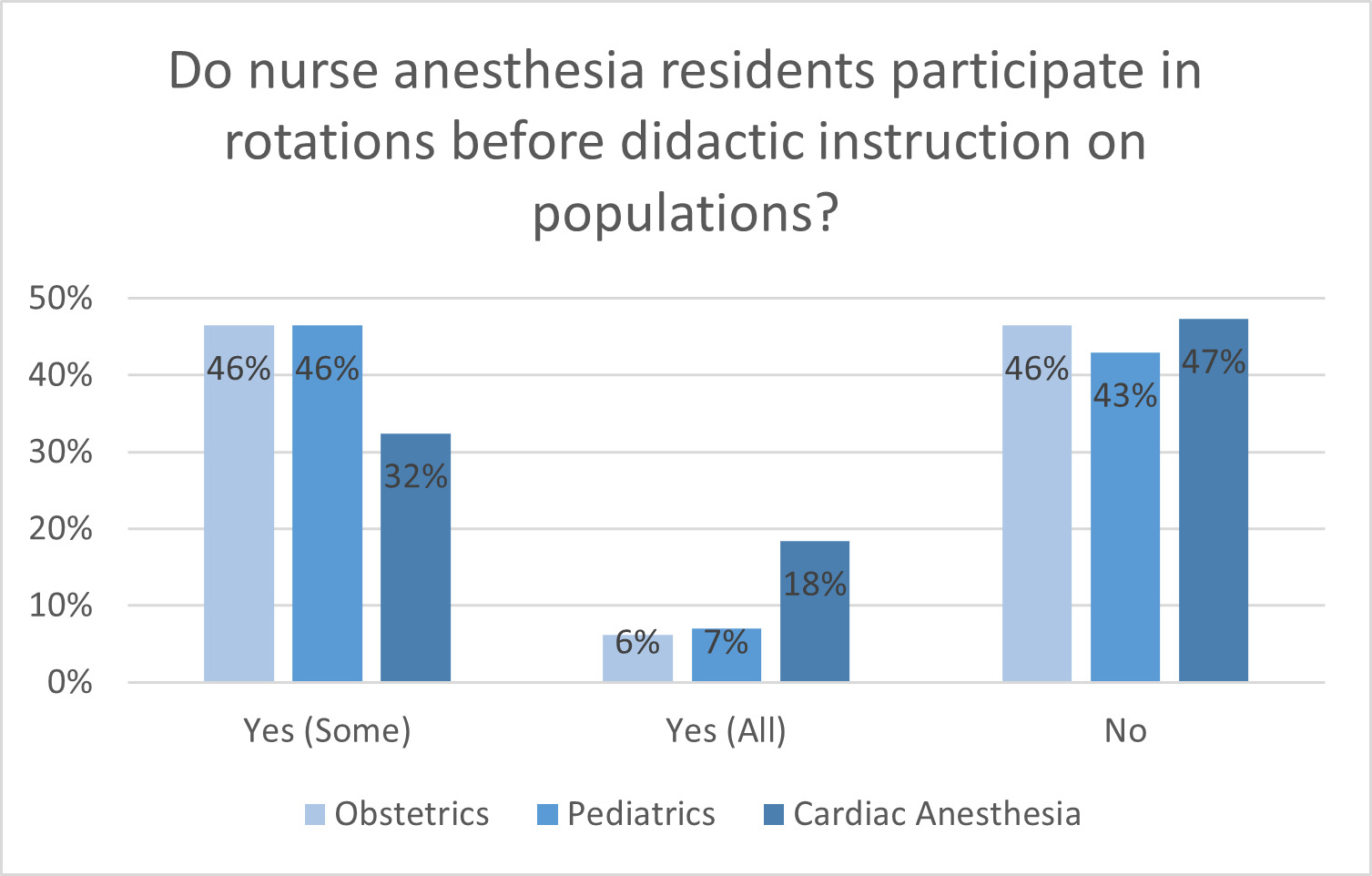
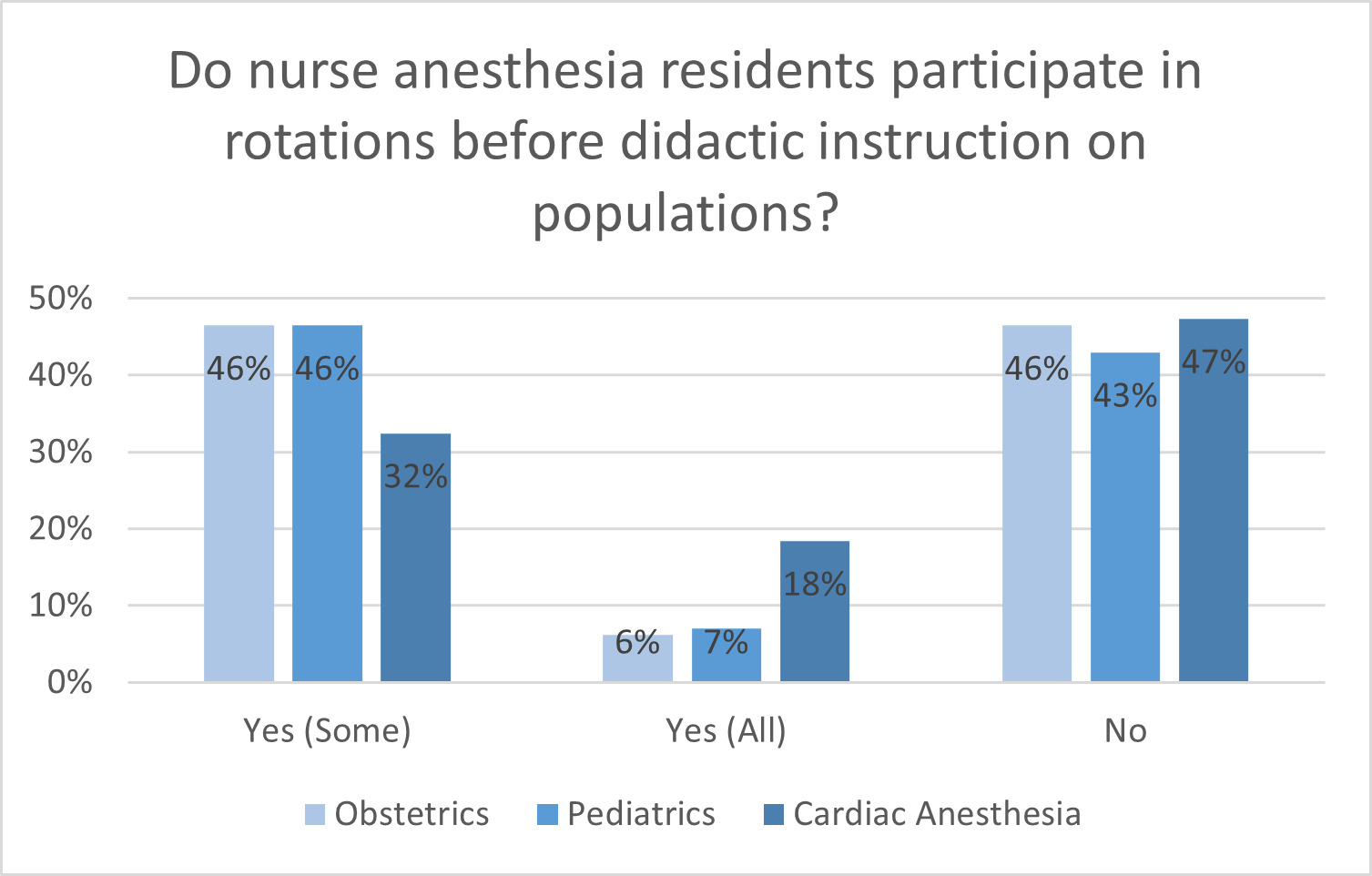
Survey findings indicated that most residents received clinical practicum exposure in specialized populations before completing the didactic portion of their curriculum. For obstetric anesthesia, 46% of respondents reported that some residents began clinical rotations before completing didactic instruction, while 6% indicated that all residents had such early clinical exposure. Similar trends were observed in pediatric anesthesia, with 46% of respondents reporting partial early exposure and 7% reporting that all residents participated in pediatric clinical rotations before completing didactic coursework. Cardiac anesthesia followed a comparable pattern, though with a more even distribution: 32% indicated that some residents had early clinical exposure, 18% reported that all residents did, and 47% stated that residents completed didactic instruction prior to clinical experiences. A small number of individual responses noted that early clinical exposure was dependent on the availability of specialized populations at affiliated clinical sites.
Likert scale responses reflected an overall positive and agreeable stance across all items related to resident clinical preparedness for entry-level practice in specialized populations. Respondents also expressed support for potential modifications to curriculum delivery aimed at enhancing the learning experience. There was general agreement that clinical encounters in specialized populations should occur following the completion of corresponding didactic instruction.
Shifting Towards Competency-Based Education
The articles examined reflect a broad range of methodologies, including longitudinal assessments utilizing subjective and objective measures to improve educational outcomes for healthcare students, particularly in medical and nursing education. The research also focused on a shift toward a competency-based education model incorporating technology into educational practices, including virtual reality and simulation.1,5,7–9,11,14–17 The existing publications highlight the evolving methods and frameworks in medical and nursing education, particularly in anesthesia and clinical training, including distance learning and simulation-based approaches, alongside a shift toward competency-based knowledge assessment. Key findings across the studies emphasize the effectiveness of virtual learning and simulations such as e-learning, virtual reality, and online education in enhancing skill acquisition and engagement, especially during challenging times like the COVID-19 pandemic.8,9,15,16 Competency-based education emerges as a recurring theme, focusing on defining core competencies and employing frameworks like Entrustable Professional Activities (EPA) to ensure holistic skill development.5,7
Tailored Educational Approaches
These studies emphasize the necessity of tailored educational approaches that consider individual student characteristics and promote self-directed learning.8–10,14 Incorporating new technologies, like virtual reality, and creating structured competency models presents promising advancements in preparing medical and nursing students for real-world clinical practice.7–10,15,16 These findings indicate a trend toward more flexible, competency-oriented, and technology-enhanced educational strategies that enhance learning outcomes and practical readiness in healthcare education.5,8–11,18,19
Curriculum Planning
Studies underscore the importance of curriculum structure in facilitating self-study and student progress, along with the critical role of hands-on practice and mentorship in fields like obstetric anesthesia and nursing.1,5,6,10,11,14,16
Unintended Consequences
The unintended effects in this review include an increase in the educator burden for implementing newer, technology-based innovations.8,16 Potential educator burnout and the inability to provide individualized attention at the recommended level were noted as threats to educators.20 As institutions implement higher technology training, resource inequity can also place at-risk students at a disadvantage due to a lack of opportunities for simulation-based learning.8,15,16 Many studies discussed the potential over-reliance on technology for student learners and the possible consequences of variability in skill mastery obtained during virtual instruction.8,9,13,15
Risk of Bias
In evaluating the risk of bias in the examined works, 11 journals are classified as having a moderate risk due to study design, participant selection, measurement methods, or potential biases related to reporting or publication.5–7,10,12,15,18–22 Five journals were assessed to be at a higher risk of bias because of the subjective data collection methods mentioned or limitations in the study, including case studies or potential researcher bias.1,8,11,13,23
Links to Empirical Data
Empirical data collected from the survey are visually summarized in Figures 2 through 6, providing clear insights into program structure, instructional methods, and timing for clinical rotations related to specialized populations. Figure 2 illustrates the participation trends among anesthesia residents regarding rotations in specialized populations before completing didactic instruction. Nearly half of the respondents indicated that some residents begin these clinical rotations early, underscoring variability in practice.
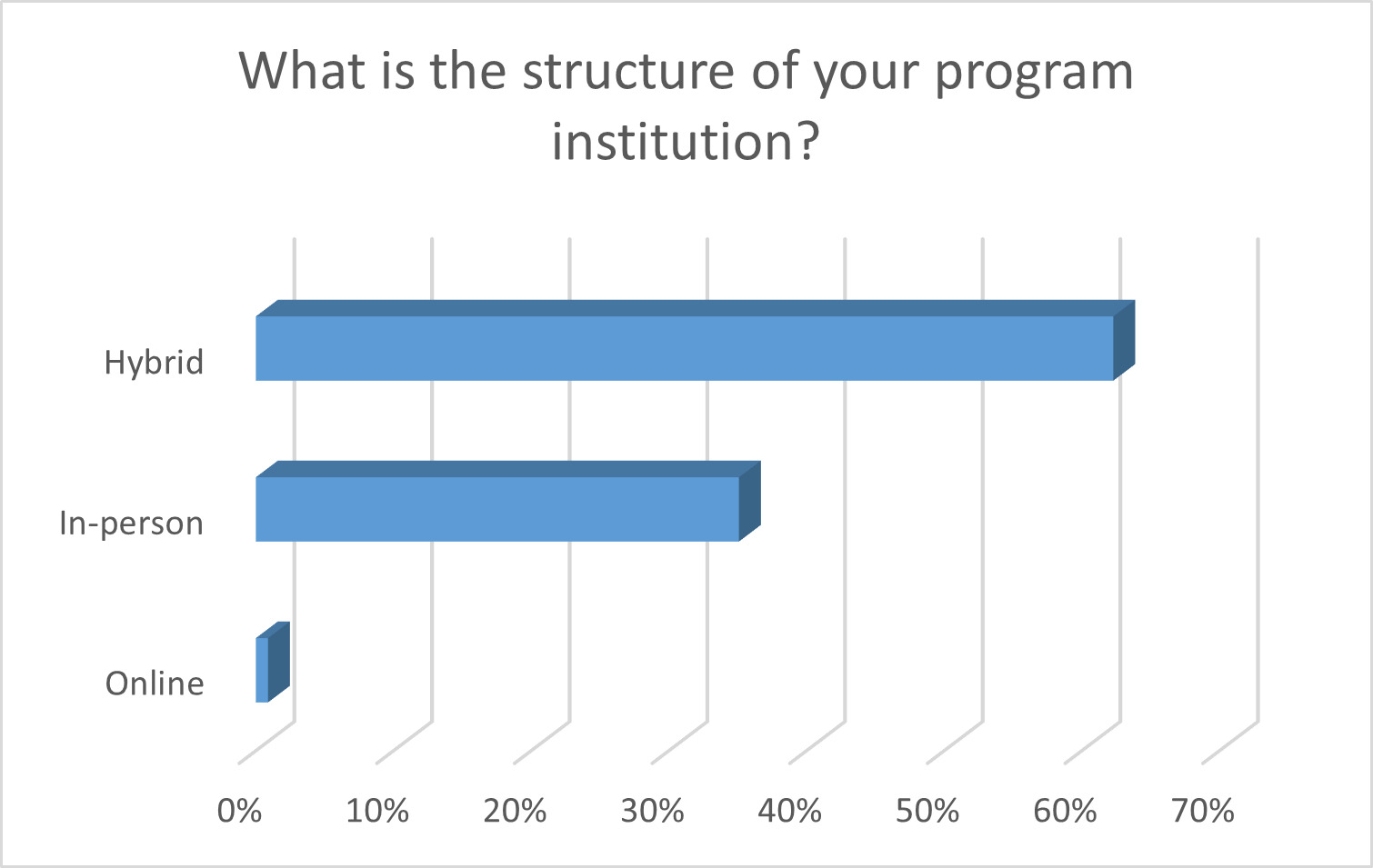
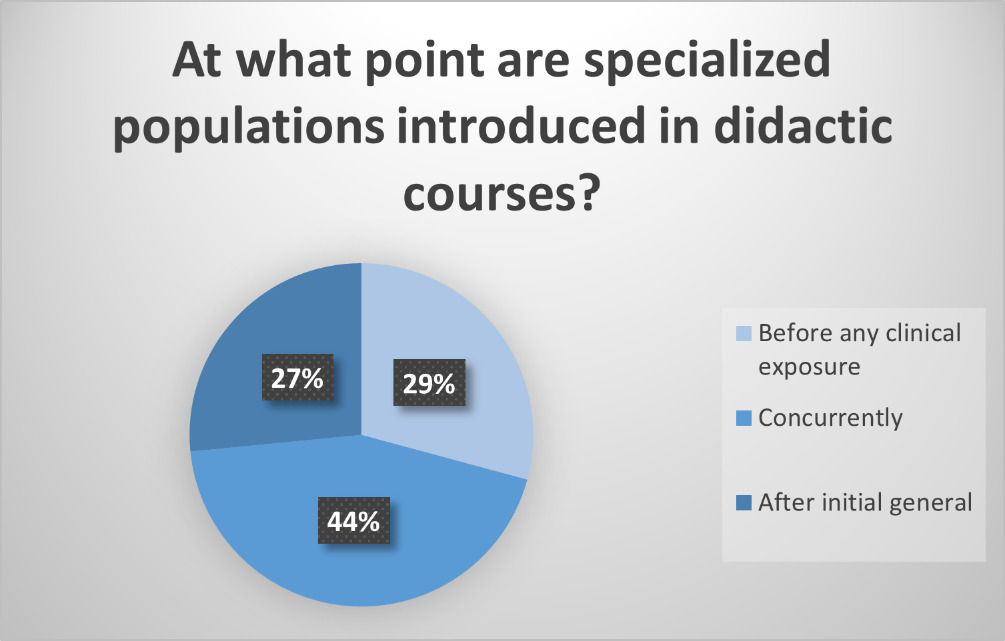
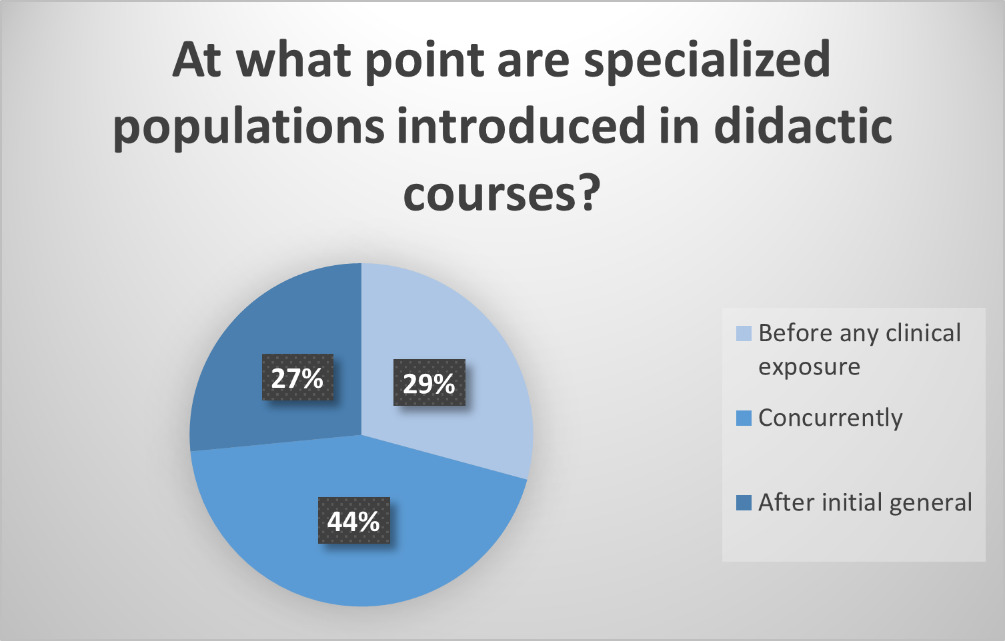
Figure 3 demonstrates the timing of introduction for specialized population didactic courses within nurse anesthesia programs. Most programs reported delivering specialized content in standalone courses rather than integrating them into general anesthesia courses.
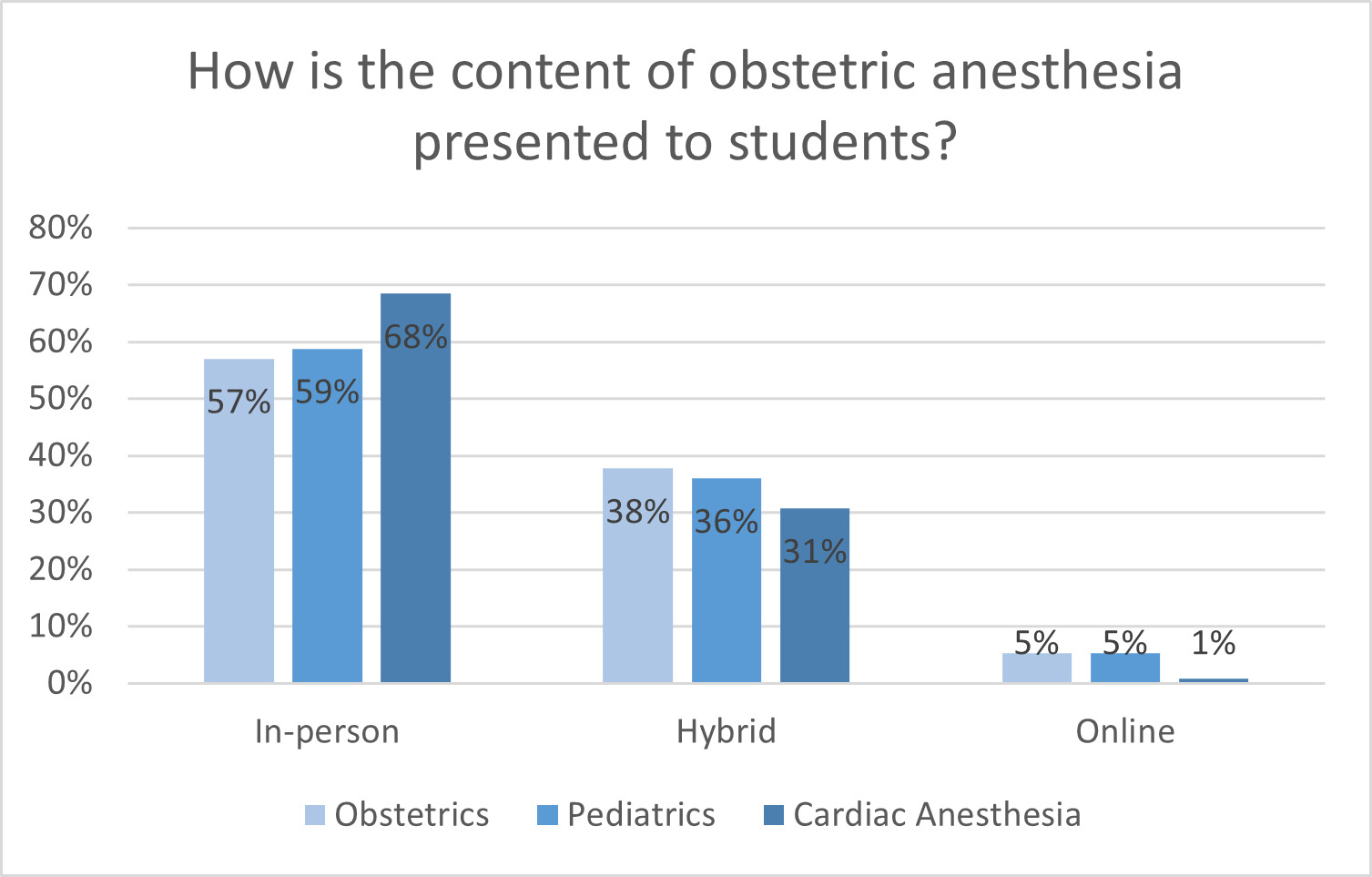
Figure 4 depicts the instructional structures utilized by the surveyed nurse anesthesia programs. It reveals a prevalent adoption of hybrid educational models, followed by traditional in-person formats. This highlights a significant trend toward blended learning environments.
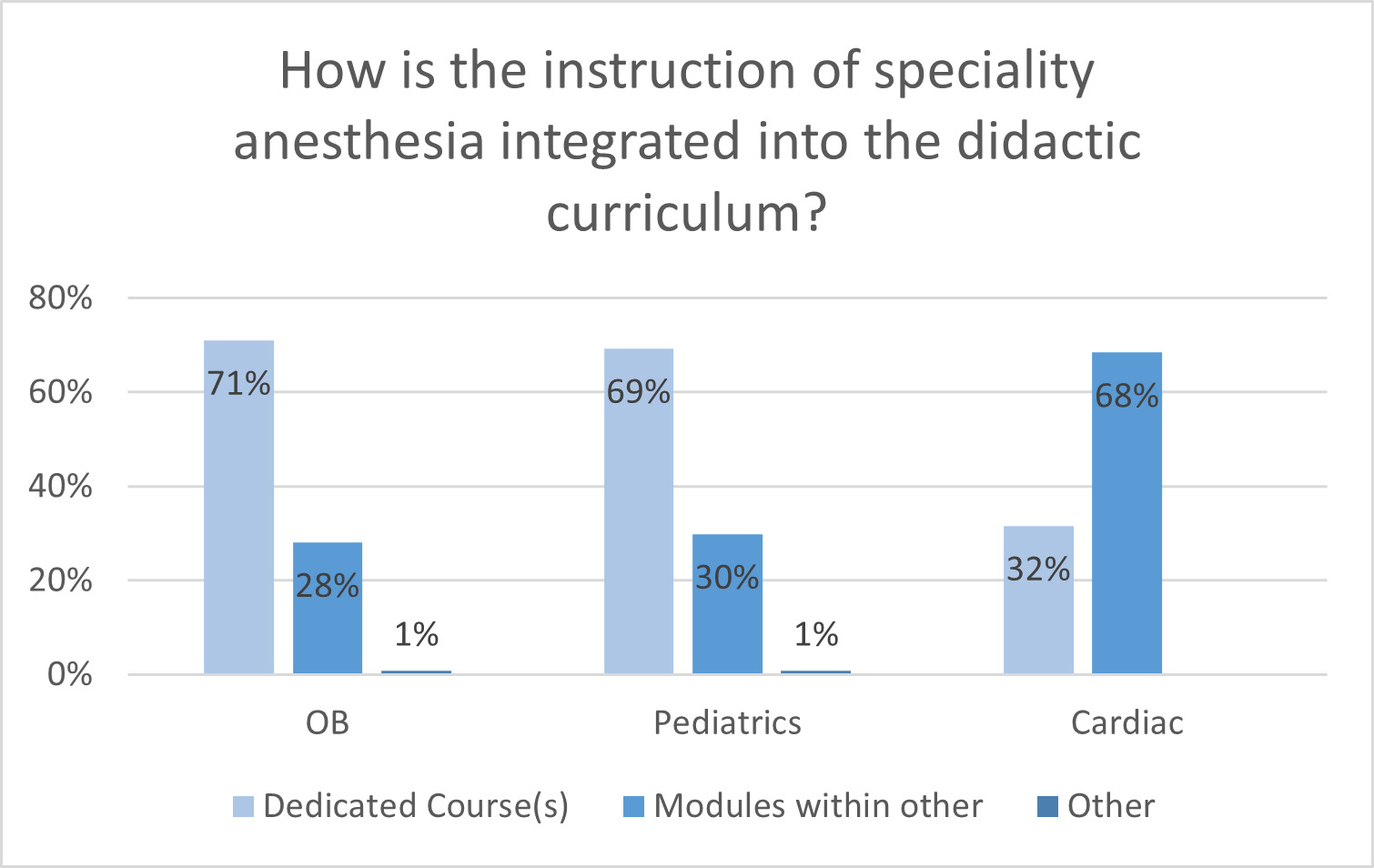
Figure 5 provides an overview of specific content delivery methods employed for teaching obstetric, pediatric, and cardiac anesthesia. Traditional methods such as lectures and assigned readings remain most frequently used, supplemented by significant use of simulation-based and case-based learning.
Lastly, Figure 6 outlines how specialty anesthesia content is integrated into the curriculum, emphasizing that obstetric and pediatric content predominantly occurs in dedicated standalone courses, whereas cardiac anesthesia tends to be embedded within broader curricular offerings.
These graphical summaries support the descriptive findings and reinforce key insights regarding current instructional practices and curriculum structuring within nurse anesthesia education.
DISCUSSION
Analysis of Findings
Shift Toward Hybrid Education
In reviewing the project’s findings, evidence suggests a trend among most nurse anesthesia programs shifting toward a hybrid education model compared to a solely in-person curriculum. Given a broad geographic sampling, this data suggests a focus on incorporating technology-based or distance education for aspects of education. The literature supports this shift as equally exchangeable for learner knowledge retention and may provide a preferred method for some student learners with technological abilities. While the literature does appear to support the implementation of distance and virtual-based education for the instruction of specialty population content, this does not seem to be the case for the examined populations of obstetric, pediatric, and cardiac anesthesia. It is unclear if this trend is traceable to the variety of didactically front-loaded versus clinically incorporated program structuring or if there is a perceived need for a heavier reliance on in-person education for specialized populations due to simulation-based experiences and skill-based procedures, which must be learned in a hands-on methodology.
The reasoning behind the change from in-person educational instruction to hybrid modeling may also be alluded to by the geographic clustering in certain regions for clinical site placement and the need to have students travel distances for specialty rotations. While the collected data demonstrated a diverse regional clustering, further specificity within the “Midwest” and “Southeast” geographic categories may reveal correlations between trends and clinical site availability. While this data was not explicitly sought after using this survey, participants did provide a noted prevalence in the short response section, noting clinical site limitations and restrictions as reasoning for curriculum organization.
Clinical Experience Before Didactic Completion
The reported percentage of participation in all or some specialty rotations for anesthesia residents before completing their didactic instruction indicates a slight majority favoring this practice. However, most surveyed participants supported the preference that residents complete didactic instruction before starting specialty rotations, including obstetrics, pediatrics, and cardiac anesthesia. This implicit split between anticipated or desired requirements for clinical readiness and the actual clinical practices allowing resident learners to participate before didactic completion or exposure creates an additional burden for the student and the clinical preceptor.
Participation in the care of cardiac and complex anesthetic cases or patients with varying physiological dynamics related to pediatrics or obstetrics, while possessing only a didactic mastery of basic anesthetic principles, does not optimally support the applied and analytical learning principles of Bloom’s Master Learner Theory. Establishing competency-based assessments for learners in graduate education offers a framework for the expected conceptual knowledge and performance-associated skills necessary to manage specialized clinical populations.5 Incorporating these methodologies into clinical training alleviates the learner’s burden of continually adapting to unfamiliar roles and clinical expectations. By enhancing the residents’ clinical readiness, the clinical preceptor can strengthen their confidence in their judgment and clinical abilities to care for varying populations in the operative environment.
The national inconsistency in introducing clinical specialty rotations would benefit from standardizing curriculum organization to better suit residents’ current competencies and readiness for clinical learning before starting a clinical rotation. Resident learners experience increased stress throughout anesthesia training related to clinical expectations and didactic requirements. Elevated stress among students has been shown to promote long-term unfavorable health and mental well-being consequences.12,23 Promoting a standardized curriculum best serves resident learners by establishing a competency-based analysis of a national benchmark for progression into specialized clinical populations. Implementing a standardized curriculum for introducing specialized populations concerning clinical exposure will also reduce the additional burden and stress of performing clinical rotations with unfamiliar populations. Nurse anesthetists providing precepting for clinical students also benefit from the creation of a standardized curriculum, knowing that resident learners have received the same level of expertise before arrival.
Educators Lacking Full-Time Status / Clinical Experience
Examining the trends in educational institutional instruction, it was noted that over half of the reporting institutions provided instruction to their students by full-time faculty experienced in the subject field. The national nursing faculty shortage and the limited number of individuals seeking full-time faculty positions create challenges in the education sector for providing qualified instructors with relevant clinical experience.22 While most participants reported that full-time faculty with appropriate expertise provided instruction, a significant number of respondents indicated that a limiting factor for qualified full-time faculty was a lack of individuals interested in education. Individuals lacking full-time faculty status in the specialty rotation related to obstetrics, pediatrics, and cardiac anesthesia ranged from 35% to 45%, with the specialty of pediatric anesthesia experiencing the most significant deficit in qualified full-time faculty. While almost 95% of responding participants reported that they believed their programs provided an education that prepared their students for entry-level practice in all specialized population fields, the need for qualified full-time faculty cannot be discounted.
Educators benefit from relevant clinical or recent knowledge of the material being taught to learners; however, modern postgraduate and doctoral education also benefits most from individuals who are prepared to teach. Understanding different learning models and modalities to offer personalized instruction to students requires specialized knowledge and training beyond a basic understanding of content.2,22,24,25 While some individuals may naturally be able to deliver quality instruction to learners with varying educational needs, others may struggle with content delivery, resulting in a potentially disadvantaged quality of instruction for the learner. The most experienced individual with specialized population content may still not be the ideal educator, with the same being true for those lacking experience but excelling in didactic presentation and delivery. Educators, like clinicians and residents, can and should be mentored to help improve their abilities.1,22 Efforts should be focused on professional recruitment, retention, and continued training of nurse anesthesia educators to assist in providing high-quality instruction.
Varying Educational Methods for Instruction, Consistent with Learner Approaches
Individualized knowledge comprehension and retention are primarily perceived as a learner or motivational issue. However, educators can enhance the subject material and create neural links for content relevance. Learning styles and preferences vary amongst cohorts, and the educator must take opportunities to assist the student in participating. Offering individual assessments can help the student understand how they best receive content to comprehend and the tools that may work best for their personal experience.25,26 While the instructor may not be able to employ all techniques for each student, using multiple differing modalities and domains enhances the absorption by the cohort. Evaluation of the current nursing anesthesia curriculum for specialty populations, including obstetrics, pediatrics, and cardiac anesthesia, demonstrates a broad range of techniques presently being used, with traditional lectures and readings being followed closely throughout all specialties by simulation-based learning. The increase in high-fidelity simulation experiences for the resident learner in graduate education has shown benefits in providing protected exposure to procedural skills, clinical comorbidities, and complications.16,19,21 Integrating these simulation experiences appears to be consistent within the participant’s institutions, with 60-70% of all institutions using this modality in combination with others for learning the care of all surveyed specialized populations.
Unintended Consequences
The project’s initial aims were to determine whether a standardized curriculum existed within graduate nurse anesthesia education to introduce specialized populations clinically to residents. The survey also found that while no standardized curriculum exists, incorporating additional educational and course requirements related to issuing a doctoral-level degree into the nurse anesthesia curriculum has led to reported scheduling constraints in curriculum development. Many participants reported clinical site availability as a determining factor for when students can undergo these specialty rotations.
Recommendations for Curriculum and Practice
Recommendations derived from the reviewed literature support designing education utilizing and adopting a competency-based education framework that emphasizes the assessment of practical and professional competencies.11 This approach ensures that learners are not only acquiring knowledge but are also developing the essential skills required in clinical practice. Competencies should be assessed by applying EPAs to indicate a learner’s readiness to independently perform critical clinical tasks.7 Learning assessments and scenarios should also incorporate high-fidelity simulations to ensure alignment with real-world clinical demands.11,13 These simulations assist in bridging the gap between theoretical knowledge and clinical application and promote the development of critical thinking and decision-making skills in safe, controlled environments.
Utilization and implementation of a well-organized curriculum follows a logical progression, beginning with foundational concepts and gradually advancing to more complex skills and decision-making processes.5,11,13 This method of scaffolding knowledge progression supports the retention and comprehension of presented materials. Integrating advanced technologies, including virtual reality and e-learning platforms, can also significantly enhance learner engagement and provide interactive, flexible learning experiences.8,15 It is stated that the educational curriculum design must remain responsive to diverse student needs while upholding rigorous academic standards, ensuring equity and accessibility without compromising the quality.11
Application in Other Settings or Populations
Information gathered may be used to evaluate student performance on standardized certification testing in varying geographic regions to determine if trends exist and if the timing of content delivery to student learners directly correlates to their preparedness to practice.
Implications for Practice and Career Development
The findings from this survey provide valuable insight into how nurse anesthesia programs currently align didactic instruction with clinical specialty experiences. Identifying variability in the timing of advanced content delivery, particularly when clinical exposure precedes formal instruction, has implications for both faculty development and curriculum design. These results can inform faculty on potential gaps where students may enter high-acuity clinical environments without adequate theoretical preparation, emphasizing the need for better synchronization between didactic and clinical components.
The data supports efforts to refine competency-based curriculum models by highlighting the importance of sequencing instruction to build foundational knowledge before clinical application. Faculty can use this information to reassess curricular maps, ensure students achieve key cognitive competencies before clinical immersion, and tailor instructional strategies to support progressive skill acquisition. This alignment is critical for optimizing student learning outcomes and maintaining programmatic standards aligned with evolving accreditation and practice expectations.
Recommendations for Future Research
The recognition that didactic, simulation, and clinical curricula vary substantially across programs in nursing anesthesia education warrants further evaluation. Additional research should be undertaken to determine the reasons for varied curriculums, including faculty needs for teaching and implementing these subjects, as well as the optimal timing for introducing specialized populations into the clinical setting. Support should be provided for the recruitment, retention, and advanced training of qualified and trained nurse anesthesia educators to ensure optimal learner outcomes.
Limitations
The study’s limitations include the limited participation window for the in-person survey administration. The survey was limited to participants’ voluntary interaction and participation. Individuals from institutions unable to attend the AANA ADCE meeting were also inadvertently excluded from being included in the reported data due to the on-site nature of the survey. Sampling trends were also limited by the number of individual attendees from specific organizations; given the geographic spread of the respondents, this is felt to be minimal in limitation but cannot be excluded from consideration of the results.
CONCLUSION
After evaluating the current methods for curriculum planning in graduate nurse anesthesia institutions regarding specialty populations, it was determined that a standardized order for content delivery does not exist. It was found that initial clinical exposure to specialized populations, including obstetric, pediatric, and cardiac anesthesia, varies amongst institutions and lacks standardization or guidance from professional organizations. Some program faculty that elected to participate also reported increased difficulty with curriculum flexibility within their institutions related to doctoral requirements that have been established. Most individuals choosing to participate in the project expressed thoughts that the RRNA would benefit from completion of the didactic portion of education regarding clinical exposure to specialized populations, yet it was also noted that over half of the reporting institutions stated that at least some of their students were involved in clinical rotations before the completion of didactic study.
In evaluating the qualifications of the individuals responsible for didactic instruction, it was determined that these results also varied in the response and faculty readiness to teach specialized subjects, with over a third of instructors either lacking clinical expertise or experience as full-time faculty. This data strongly supports the need to recruit and retain qualified educators with clinically relevant experience in nursing anesthesia education. Participants also highlighted the increased use of hybrid content delivery models within nursing anesthesia. In recognition of these national trends, additional efforts should be made to ensure that educators are prepared in the best content delivery methods for electronic and distance learning.
Conflicts of Interest
The authors declare no conflicts of interest concerning the research, authorship, or publication of this manuscript.
Funding
Funding was requested and approved to help cover travel and conference expenses by the Middle Tennessee School of Anesthesia Alumni Grant. Additional technology, including portable computers, was available if individuals required assistance accessing the survey. Participant compensation in the form of a $5.00 voucher was also necessary to implement the project.